










Best Flexible Packaging Materials for Frozen Food Preservation
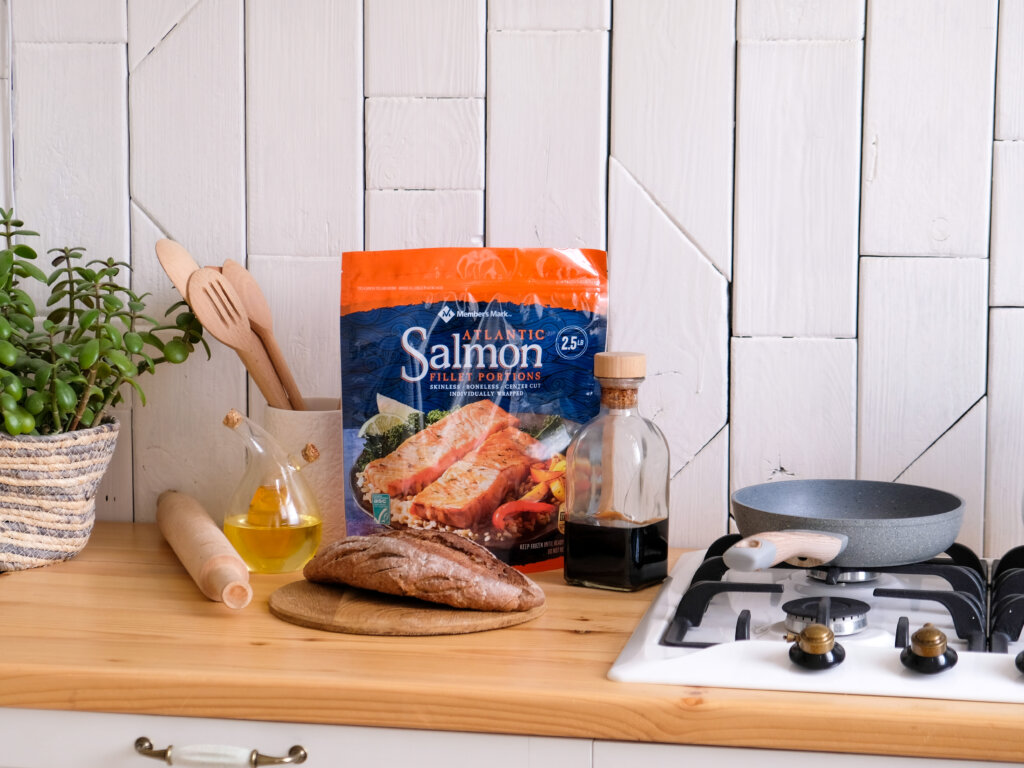
Frozen food packaging plays a critical role in maintaining product quality, extending shelf life, and ensuring food safety throughout the cold chain. As consumer demand for convenient frozen products continues to grow, choosing the right flexible packaging materials becomes increasingly important for manufacturers and retailers alike.
Why Flexible Packaging Dominates the Frozen Food Market
Flexible packaging has become the preferred solution for frozen food products due to its unique combination of protective properties, cost-effectiveness, and consumer convenience. Unlike rigid containers, flexible packaging materials adapt to product shapes, reduce storage space, and offer superior barrier protection against moisture, oxygen, and temperature fluctuations that can compromise frozen food quality.
Essential Properties of Frozen Food Bags
When selecting packaging materials for frozen applications, several key characteristics must be considered:
Moisture barrier protection prevents ice crystal formation and freezer burn, which can significantly impact taste and texture.
Low–temperature resistance ensures the packaging maintains its integrity in temperatures as low as -40°C without becoming brittle or cracking.
Puncture resistance protects against damage during handling and storage, while oxygen barrier properties prevent oxidation that leads to off-flavors and nutrient loss.
Top Flexible Packaging Materials for Frozen Foods
Polyethylene (PE) Films
Polyethylene serves as the foundation for most frozen food packaging solutions. Low-density polyethylene (LDPE) offers excellent flexibility and seal strength at freezing temperatures, making it ideal for direct food contact layers. High-density polyethylene (HDPE) provides enhanced puncture resistance for products with sharp edges or irregular shapes.
Multi-Layer Laminations
The most effective frozen food packaging utilizes multi-layer laminate structures that combine different materials to optimize performance. A typical structure might include an outer printing layer for branding, a barrier layer for protection, and an inner sealant layer for product contact. These custom packaging solutions can be engineered to meet specific product requirements.
Metallized Films
Metallized polyester or polypropylene films offer superior barrier properties while maintaining flexibility. The thin metallic layer blocks light, oxygen, and moisture more effectively than standard films, extending frozen product shelf life significantly. These materials work particularly well for premium frozen items requiring maximum protection.
Nylon-Based Structures
Nylon (polyamide) excels in applications requiring exceptional puncture resistance and dimensional stability. When combined with polyethylene in co-extruded or laminated structures, nylon-based packaging provides robust protection for frozen products with bones, shells, or sharp components.
Innovative Features in Modern Frozen Food Packaging
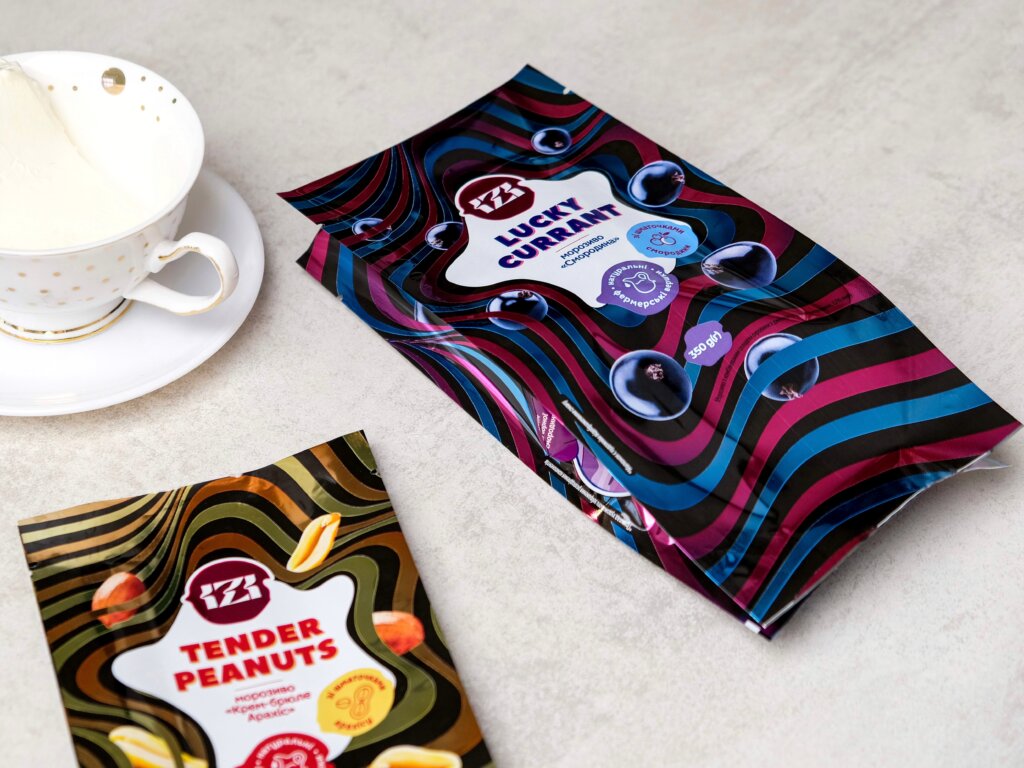
Today’s flexible packaging incorporates advanced features that enhance both functionality and consumer appeal. Resealable zippers allow multiple uses while maintaining freshness. Easy-open tear notches improve convenience without compromising package integrity. Microwave-safe materials enable direct heating, meeting consumer demands for quick meal preparation.
Stand-up pouches have revolutionized frozen food merchandising by maximizing shelf visibility and storage efficiency. These packages combine the benefits of flexible packaging with the display advantages traditionally associated with rigid containers.
Sustainability Considerations
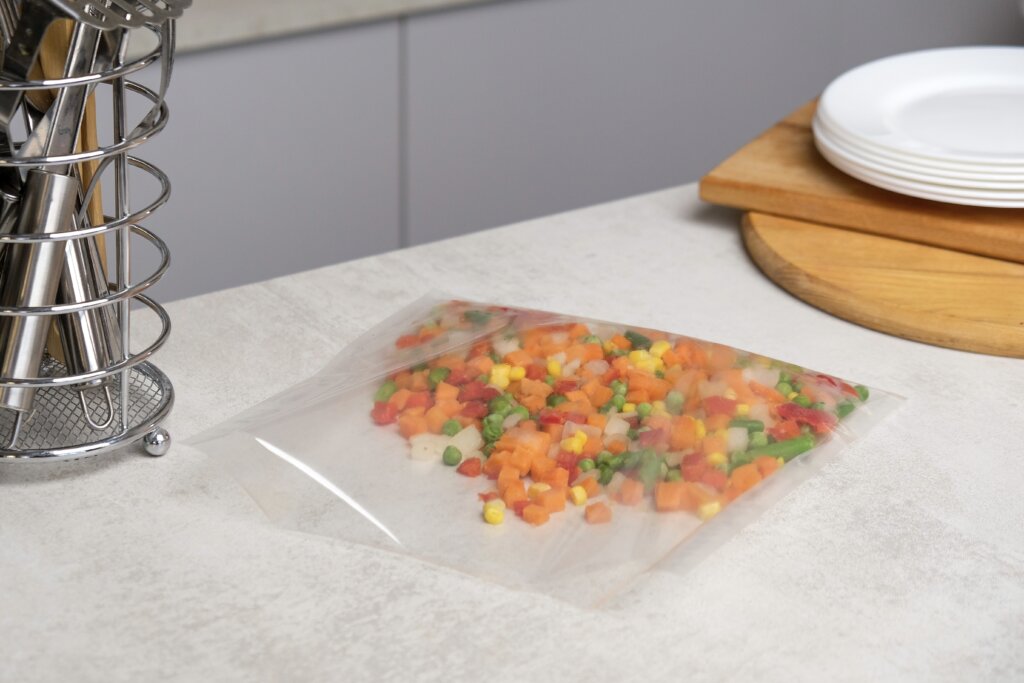
Environmental responsibility increasingly influences packaging material selection. Mono-material structures designed for recyclability, biodegradable options, and reduced material usage through downgauging represent important trends in frozen food packaging. Many manufacturers now offer custom packaging solutions that balance performance requirements with sustainability goals.
Selecting the Right Packaging Materials
Choosing optimal frozen food bags requires careful evaluation of product characteristics, distribution conditions, and shelf life requirements. Products with high fat content need enhanced oxygen barriers, while items with irregular shapes benefit from flexible, conforming materials. Distribution through various temperature zones may require additional protection layers.
Working with experienced packaging suppliers helps identify the most cost-effective solution that meets all technical requirements. Custom packaging development allows brands to differentiate their products while ensuring proper protection throughout the frozen supply chain.
Conclusion
The success of frozen food products depends heavily on selecting appropriate flexible packaging materials. By understanding the properties and benefits of different packaging options, manufacturers can ensure their products reach consumers in optimal condition while meeting operational efficiency and sustainability objectives. Whether utilizing standard frozen food bags or developing custom packaging solutions, the right material choice makes all the difference in product performance and consumer satisfaction.